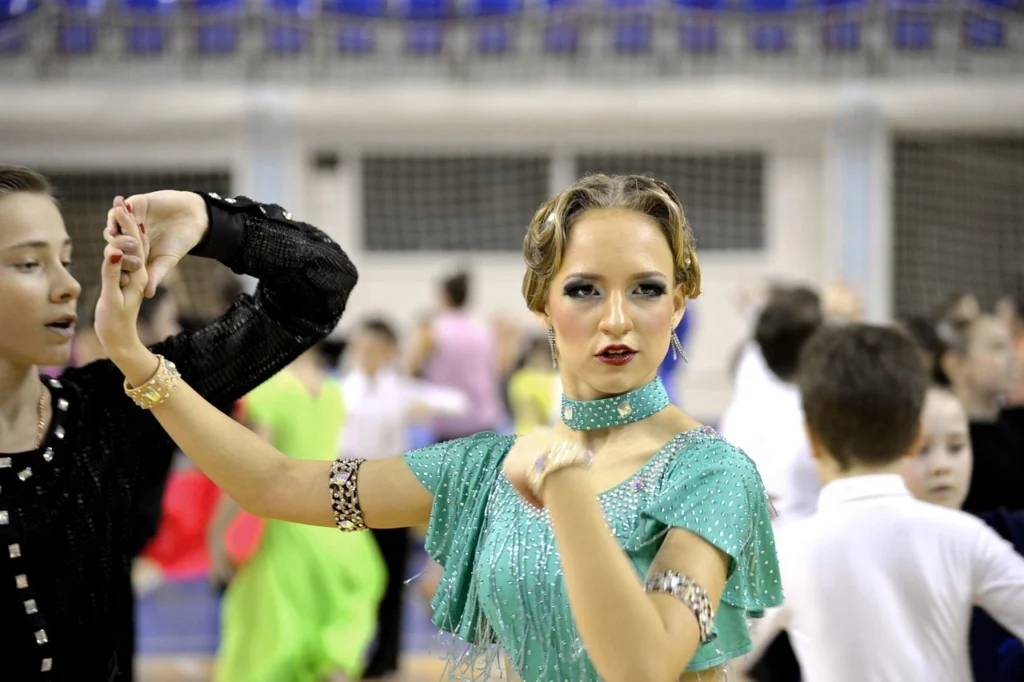
Elegance in Motion: The Artistry and Allure of Ballet Blouses
Introduction & Background
Ballet, a timeless art form that blends grace, discipline, and storytelling, has long captivated audiences worldwide. At the heart of this enchanting performance lies the ballet blouse, an understated yet essential garment that marries functionality with elegance. More than just a piece of clothing, the ballet blouse embodies the spirit of movement, serving as a second skin for dancers as they leap, pirouette, and glide across the stage. Historically, ballet costumes have evolved from the lavish gowns of the 19th century to the sleek, modern designs of today. The ballet blouse, in particular, has transformed into a symbol of both tradition and innovation, reflecting the ever-changing aesthetics of dance. Its significance extends beyond the stage, influencing fashion trends and inspiring designers to reimagine its form and function. Whether worn in classical ballets like “Swan Lake” or contemporary performances, the ballet blouse remains a cornerstone of sartorial artistry in the world of dance.
Concept & Overview
The ballet blouse is a specialized garment designed to complement the fluidity and grace of ballet dancers. Unlike everyday tops, it is crafted with precision to ensure comfort, flexibility, and aesthetic harmony with the rest of the costume. Traditionally, ballet blouses are made from lightweight, breathable fabrics such as silk, satin, or cotton blends, allowing for unrestricted movement and ventilation during intense performances. Their design often features delicate details like lace trims, puffed sleeves, or high necklines, which not only enhance the dancer’s silhouette but also contribute to the overall visual appeal of the production.
At its core, the ballet blouse is more than a functional piece; it is a canvas for artistic expression. Designers and choreographers collaborate closely to select blouses that align with the thematic narrative of a ballet, whether it be the ethereal delicacy of a Romantic era piece or the bold, modern minimalism of a contemporary work. The blouse’s cut, color, and embellishments are carefully chosen to evoke emotion and complement the dancers’ movements, creating a cohesive and immersive experience for the audience. In essence, the ballet blouse is a harmonious fusion of art and utility, embodying the elegance in motion that defines ballet itself.
Key Features & Highlights
- Fabric & Material: Ballet blouses are typically made from lightweight, stretchable fabrics like silk, satin, or moisture-wicking synthetic blends. These materials ensure comfort, durability, and the ability to move freely without restriction.
- Fit & Design: A well-fitted ballet blouse contours to the dancer’s body, providing support without hindering movement. Common designs include sleeveless, short-sleeve, or cap-sleeve styles, often with high necklines or scoop necks for a classic look.
- Embellishments: Delicate embellishments such as lace, embroidery, or sequins are frequently incorporated into ballet blouses. These details not only add visual appeal but also reflect the artistic themes of the performance.
- Color & Aesthetic: The color palette of ballet blouses ranges from soft pastels to bold hues, depending on the ballet’s narrative. Pale pinks, whites, and lavenders are classic choices, while deeper shades may be used for dramatic effect.
- Functional Elements: Features like adjustable straps, hidden seams, or moisture-wicking linings enhance the blouse’s practicality, ensuring dancers remain comfortable and focused during demanding routines.
Frequently Asked Questions / Pros & Cons
What makes ballet blouses different from regular tops?
Ballet blouses are designed with the specific needs of dancers in mind. They prioritize flexibility, breathability, and a snug fit to support movement and reduce distractions. Regular tops often lack these specialized features, making ballet blouses unique in their design and purpose.
How do I choose the right size for a ballet blouse?
Selecting the right size involves considering the blouse’s stretchability and intended fit. Most ballet blouses are form-fitting, so opt for your usual size unless the fabric has significant stretch. If in doubt, consult the sizing chart provided by the manufacturer and consider trying on multiple sizes to find the most comfortable and supportive option.
Are ballet blouses only for professional dancers?
While ballet blouses are essential for professional dancers, they are also popular among ballet enthusiasts and students. Many brands offer stylish, high-quality blouses that can be worn for rehearsals, performances, or even casual wear, making them accessible to a wider audience.
What are the pros and cons of wearing synthetic fabrics in ballet blouses?
Pros: Synthetic fabrics like polyester or nylon blends are often lightweight, moisture-wicking, and quick-drying, making them ideal for intense performances. They also tend to be more durable and less prone to wrinkles compared to natural fabrics.
Cons: Some synthetic fabrics may lack the breathability of natural fibers, leading to discomfort during prolonged wear. Additionally, they may not drape as elegantly as silk or satin, which can affect the blouse’s aesthetic appeal in certain performances.
How should I care for my ballet blouse to ensure longevity?
To maintain the quality of your ballet blouse, hand wash it in cold water with a mild detergent, or use a gentle machine wash cycle on a delicate setting. Avoid using bleach or harsh chemicals, and never tumble dry. Lay the blouse flat to dry or hang it on a padded hanger to preserve its shape and prevent stretching.
Practical Guidance & Solutions
When selecting a ballet blouse, prioritize fit and comfort above all else. A blouse that is too loose may shift during movement, while one that is too tight can restrict circulation and hinder performance. If you are purchasing a blouse for a specific role or production, work closely with your costume designer to ensure the blouse aligns with the artistic vision of the ballet.
For dancers with sensitive skin or allergies, opt for blouses made from hypoallergenic fabrics or those labeled as “organic.” Many brands now offer eco-friendly options that combine sustainability with style, ensuring you look and feel your best without compromising your health.
If you are a student or amateur dancer, consider investing in a versatile blouse that can be worn across multiple roles or performances. Neutral colors like black, white, or nude are excellent choices, as they can be easily paired with different skirts, tights, and accessories. Additionally, look for blouses with adjustable straps or waistbands, which allow for a customized fit that adapts to your body’s needs.
For those who sew or customize their own costumes, experimenting with different fabrics, embellishments, and designs can be a rewarding way to create a truly unique ballet blouse. Online tutorials and pattern books offer valuable guidance for beginners, while advanced sewists can explore intricate techniques like hand-embroidery or beading to add a personal touch to their creations.
Conclusion
Ballet blouses are more than mere costumes; they are a celebration of elegance in motion, a testament to the artistry that defines ballet. From the delicate lace trims of a classical performance to the sleek lines of a contemporary piece, these blouses embody the fusion of grace and functionality. Whether worn on stage or as a fashion statement, they invite us to appreciate the beauty of movement and the craftsmanship behind every stitch. As ballet continues to evolve, so too will the ballet blouse, remaining a timeless symbol of poise, passion, and precision. For dancers and admirers alike, it serves as a reminder that true elegance is not static but a dance in itself.