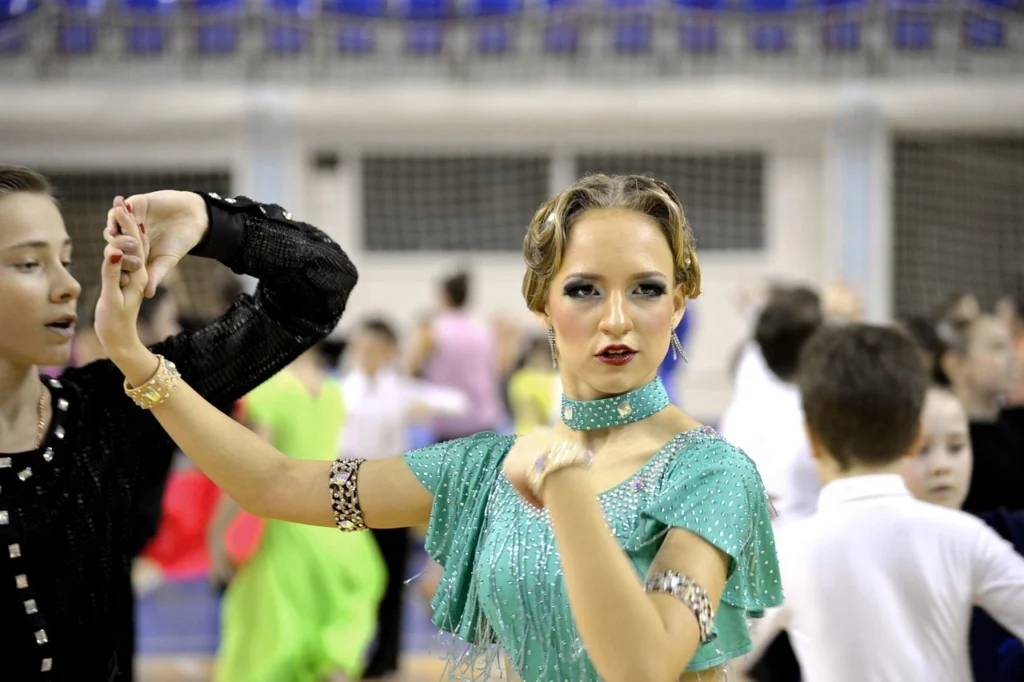
Rise of the Floor Fillers: Dance Trends Shaking Up the World in 2024
Introduction & Background
The world of dance is evolving faster than ever, and one trend that has taken center stage in 2024 is the rise of floor fillers. These dynamic dance moves and styles are not just filling the dance floors, they are reshaping how people express themselves on the dance floor. As social media continues to fuel viral dance challenges and global dance communities grow, floor fillers have emerged as a cultural phenomenon. They bring energy, creativity, and inclusivity to dance culture, making them accessible to people of all skill levels. In this article, we explore why floor fillers are shaking up the dance world this year and what makes them so irresistible.
Concept & Overview
Floor fillers refer to a category of dance moves designed to keep the energy high on the dance floor. Unlike traditional choreography that may focus on precise steps or structured routines, floor fillers prioritize movement, rhythm, and personal expression. They often involve low-to-the-ground positions, fluid transitions, or repetitive motions that create a hypnotic effect. Originating from various dance styles such as house, shuffle, waacking, and voguing, floor fillers have been adapted into mainstream dance trends through platforms like TikTok and YouTube. Their appeal lies in their simplicity and the freedom they offer dancers to interpret the music in their own style.
The concept is simple: if the dance floor is not filled with movement, something is missing. Floor fillers ensure that every beat of the music is met with motion, whether through footwork, body rolls, or floor spins. This has transformed the way people approach dancing, shifting the focus from perfection to participation. In 2024, floor fillers are more than just a trend; they represent a cultural shift towards more expressive and communal forms of dance.
Key Features & Highlights
- Accessibility: Floor fillers are designed to be easy to learn, making them perfect for beginners. Unlike complex routines, they often involve basic steps that anyone can master with a little practice.
- Versatility: These moves can be adapted to any music genre, from hip-hop to electronic dance music. This flexibility allows dancers to incorporate floor fillers into their existing routines or use them as standalone elements.
- Community Building: Floor fillers thrive in group settings, encouraging people to dance together. They break down social barriers and create a sense of belonging, whether at a club, wedding, or community event.
- Social Media Appeal: Platforms like TikTok have amplified the reach of floor fillers by making them shareable and easy to replicate. Viral challenges often feature floor filler moves, inspiring millions to try them out.
- Physical Benefits: Engaging in floor filler-style dancing provides a full-body workout. It improves coordination, flexibility, and endurance, making it a fun way to stay active.
- Cultural Fusion: Floor fillers blend elements from multiple dance styles, creating a melting pot of creativity. This fusion reflects the global nature of modern dance culture.
Frequently Asked Questions / Pros & Cons
What exactly defines a floor filler dance move?
A floor filler dance move is characterized by its ability to keep the energy flowing on the dance floor. It is typically a repeated or continuous motion that matches the rhythm of the music. Unlike choreographed steps, floor fillers are often improvised or adapted, allowing for personal expression. Examples include the “two-step shuffle,” “floor spins,” or “body waves.”
Are floor fillers suitable for beginners?
Yes, one of the biggest advantages of floor fillers is their accessibility. They are designed to be beginner-friendly, with moves that can be broken down into simpler components. Many dancers find that starting with floor fillers helps build confidence before moving on to more complex routines.
What kind of music works best with floor fillers?
Floor fillers can work with almost any music that has a strong beat or rhythm. Popular choices include hip-hop, EDM, pop, and even Latin music. The key is to match the movement to the tempo and energy of the track. Upbeat songs with clear beats tend to work particularly well.
Is there a risk of injury when performing floor filler moves?
As with any form of dance, there is a risk of injury if proper technique is not followed. Common risks include strains or sprains from overuse or improper footwork. Beginners should start slow, wear appropriate footwear, and listen to their bodies. It’s also helpful to warm up before dancing and to stay hydrated.
How can I incorporate floor fillers into my dance routine?
Start by identifying the beat of the music and choosing a simple floor filler move that matches the rhythm. Practice it repeatedly until it feels natural, then experiment with variations. You can also look up tutorials online or join a dance class that focuses on floor fillers. The key is to have fun and not worry about perfection.
Practical Guidance & Solutions
If you’re eager to jump into the world of floor fillers, here are some practical steps to get started:
Start with the basics: Before attempting complex moves, master a few fundamental floor fillers like the “two-step shuffle” or “body rolls.” These moves form the foundation for more advanced techniques and will help you build confidence.
Choose the right music: Not all music is suited for floor fillers. Opt for tracks with a strong, consistent beat to make it easier to sync your movements. Playlists curated for dance workouts or club music are great places to start.
Practice in a safe environment: Begin practicing at home or in a small group setting where you feel comfortable. This will allow you to experiment without the pressure of a large audience. Make sure the space is clear of obstacles to avoid accidents.
Join a dance community: Whether online or in-person, connecting with other dancers can provide motivation and feedback. Many dance communities share tutorials, challenges, and tips for improving floor filler techniques. Social media groups and local dance classes are excellent resources.
Focus on enjoyment: The beauty of floor fillers is that they prioritize fun over perfection. Don’t be afraid to freestyle or improvise. The goal is to express yourself and enjoy the music, not to perform flawlessly.
Stay consistent: Like any skill, mastering floor fillers takes practice. Set aside time each week to dance and refine your moves. Over time, you’ll notice improvements in your coordination, stamina, and creativity.
By following these guidelines, you’ll be well on your way to becoming a floor filler pro. Remember, the most important thing is to have fun and let your personality shine through your movements.
Conclusion
The rise of floor fillers in 2024 is more than just a dance trend; it’s a celebration of movement, community, and self-expression. These dynamic dance styles have transformed the way people engage with music and each other, breaking down barriers and creating unforgettable moments on the dance floor. Whether you’re a seasoned dancer or a complete beginner, floor fillers offer a welcoming space to explore your creativity and connect with others.
As we look ahead, it’s clear that floor fillers are here to stay. They represent the future of dance, where inclusivity, accessibility, and fun take center stage. So, the next time you hear your favorite beat, don’t just tap your feet, get on the floor and fill it with your energy. The dance world is waiting for you.