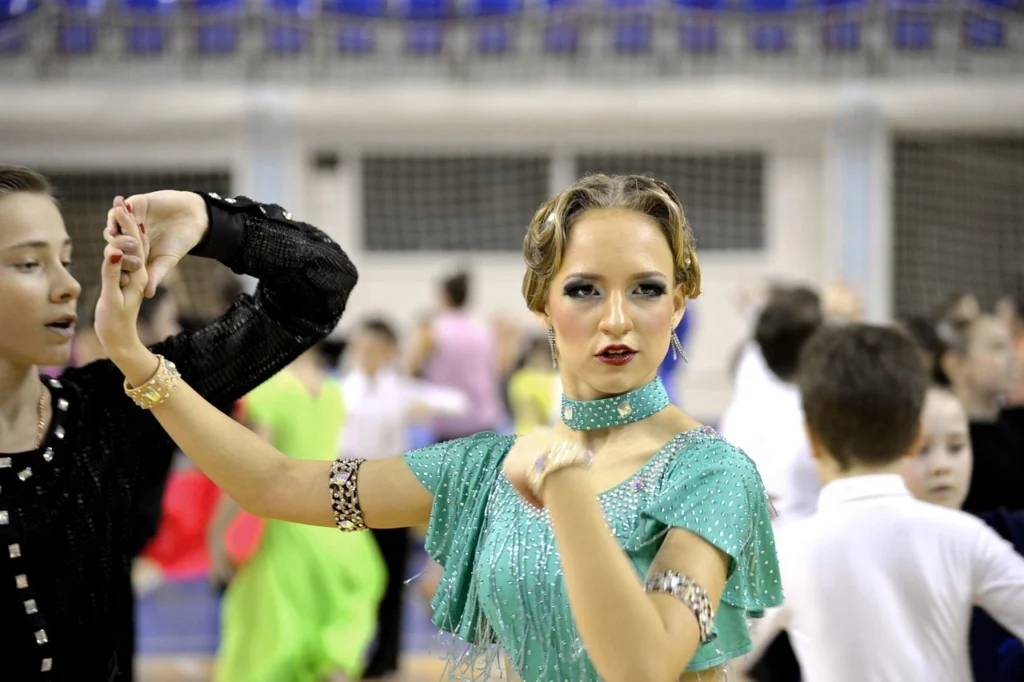
Dance Floor Pulse: Where Rhythm Meets Headlines
Introduction & Background
The dance floor has always been more than just a space for movement and music. It serves as a living pulse, where rhythm and culture collide to create moments that resonate far beyond the beat. From underground clubs to grand concert halls, the dance floor is a dynamic canvas reflecting societal trends, personal expression, and even global headlines. In an era where music and news move at lightning speed, the dance floor stands as a unique intersection where sound and stories intertwine. Understanding this space reveals how dance culture shapes and is shaped by the world around us. This exploration delves into the essence of the dance floor as a stage for both rhythm and relevance.
Concept & Overview
The dance floor represents a cultural phenomenon where music, movement, and community converge under a shared rhythm. It is not merely a physical area but a social ecosystem where individuals come together to express themselves, escape reality, or celebrate life. Historically, dance floors have been the backdrop for revolutions in music, fashion, and social norms. They act as microcosms of broader societal shifts, where trends are born and identities are forged. Whether through disco in the 1970s or electronic dance music (EDM) today, the dance floor has consistently been a platform for innovation and connection. This dynamic environment thrives on spontaneity, energy, and the unspoken language of the body in motion.
Key Features & Highlights
- Music as the heartbeat: The dance floor revolves around rhythm, with DJs and live bands curating sonic experiences that dictate mood and movement. The right track can transform a crowd into a unified entity.
- Cultural fusion: Dance floors blend diverse influences, merging styles from different eras and regions. This fusion creates a rich tapestry of sound and style that appeals to global audiences.
- Community and belonging: The dance floor fosters a sense of belonging among attendees. Strangers become friends through shared movement, laughter, and a collective love for music.
- Expression without words: Dance allows people to communicate emotions and ideas without language. It is a universal form of expression that transcends cultural and linguistic barriers.
- Evolution of trends: The dance floor continuously evolves as new genres rise and fall. From salsa to techno, each era leaves its mark, influencing future generations of dancers and creators.
Frequently Asked Questions / Pros & Cons
What makes a dance floor iconic?
An iconic dance floor is characterized by its ability to create unforgettable experiences. This often stems from exceptional music selection, a vibrant atmosphere, and a sense of inclusivity. Venues like Studio 54 in New York or Berghain in Berlin became legendary due to their unique vibes, groundbreaking DJs, and the cultural movements they inspired.
How does dance floor culture impact society?
Dance floor culture has a profound influence on society by challenging norms and fostering creativity. It provides a safe space for self-expression and can serve as a platform for social change. Movements like the disco era advocated for LGBTQ+ rights, while EDM festivals often promote themes of unity and environmental awareness.
What are the pros and cons of dancing as a hobby?
Pros:
- Improves physical health by enhancing cardiovascular fitness and flexibility.
- Boosts mental well-being by reducing stress and releasing endorphins.
- Encourages social interaction and builds a sense of community.
- Offers a creative outlet for self-expression and emotional release.
Cons:
- Requires time and effort to develop skills and confidence.
- Can be intimidating for beginners in crowded or competitive environments.
- Potential for physical strain or injury if proper techniques are not followed.
- Costs associated with classes, attire, or venue entry fees.
How can someone find the right dance floor for their taste?
Finding the right dance floor starts with understanding personal preferences in music and atmosphere. Researching local venues, reading reviews, and attending different events can help identify a space that aligns with individual tastes. Social media platforms and dance communities also provide insights into trending spots and hidden gems. Visiting during off-peak hours can offer a better feel for the environment before committing to a regular visit.
Practical Guidance & Solutions
For those looking to dive into the dance floor experience, the first step is to embrace curiosity and openness. Start by exploring different music genres, from hip-hop to house, to discover what resonates personally. Attend local events or workshops to learn basic dance moves and gain confidence. Bring a friend along to share the experience and ease any initial nervousness.
When selecting a venue, prioritize safety and comfort. Check the venue’s reputation for crowd control and cleanliness. Arrive early to secure a good spot and observe the energy of the room. If the crowd feels overwhelming, take breaks to hydrate and recharge. Remember, the goal is to enjoy the rhythm and connect with the music, not to perform perfectly.
For aspiring DJs or dancers, seek mentorship from experienced individuals in the scene. Many dance communities offer classes or informal meetups where newcomers can learn and grow. Networking with other enthusiasts can lead to opportunities for collaboration and deeper involvement in the culture.
Conclusion
The dance floor is far more than a place to move to music. It is a vibrant, ever-changing space where rhythm meets headlines, and individuals unite under a shared beat. Whether you are a dancer, a music lover, or simply someone seeking connection, the dance floor offers a unique opportunity to experience the power of collective energy. By embracing the culture, exploring new sounds, and stepping into the rhythm, anyone can become part of this dynamic world. So, find your place on the floor, let the music guide you, and discover the pulse that keeps the dance alive.