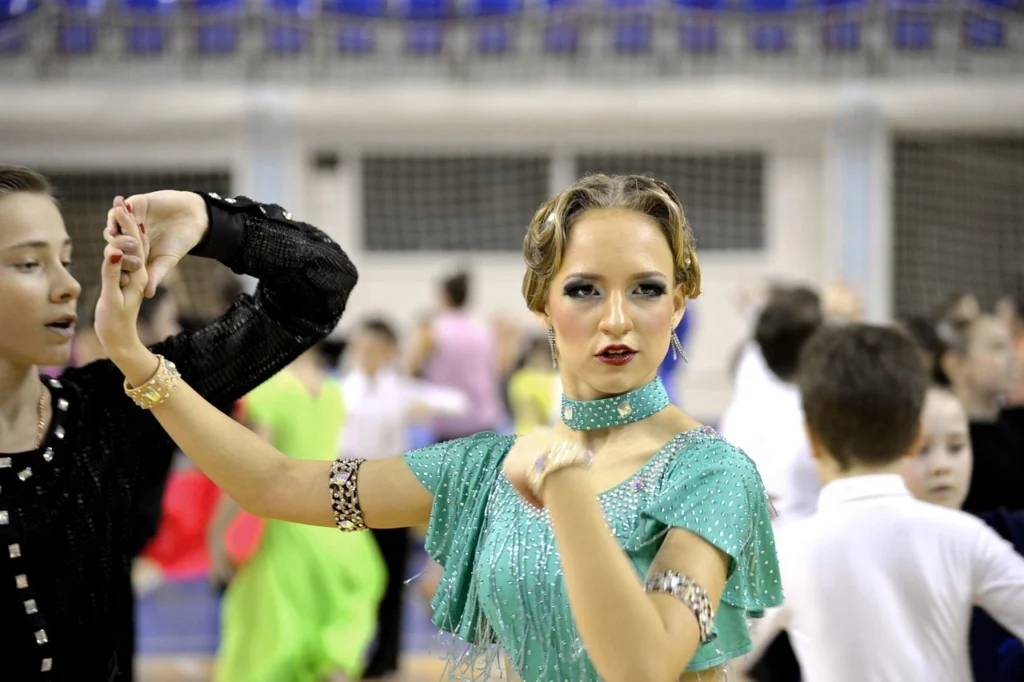
Revolutionizing Dance: The Latest Choreographic Masterpieces That Are Stealing the Spotlight
Introduction & Background
The world of dance is undergoing a remarkable transformation, driven by bold choreographers who are redefining movement, emotion, and storytelling on stage. In recent years, groundbreaking choreographic masterpieces have captivated audiences worldwide, blending tradition with innovation and pushing the boundaries of what dance can express. These works are not just performances, but cultural statements that challenge perceptions and inspire new generations of artists. From avant-garde productions to reinvented classics, the latest choreographic trends are reshaping the landscape of contemporary dance, making it more dynamic, inclusive, and thought-provoking than ever before.
Concept & Overview
At the heart of this dance revolution lies a fundamental shift in how choreographers approach movement and narrative. Modern choreography today is characterized by its fusion of diverse disciplines, including technology, social themes, and interdisciplinary collaboration. Choreographers are no longer confined to traditional techniques but are experimenting with hybrid styles that incorporate elements of urban dance, classical ballet, and even digital art. The result is a new wave of performances that feel fresh, relevant, and deeply human, resonating with audiences across generations and cultures.
Key Features & Highlights
- Technology Integration: Many recent choreographic works incorporate digital projections, motion sensors, and virtual reality to create immersive experiences. These innovations allow dancers to interact with digital environments in real time, adding layers of depth to the performance.
- Social & Political Commentary: Choreographers today are using dance as a powerful medium to address pressing social issues. From climate change to racial injustice, these performances spark conversations and challenge audiences to reflect on their roles in society.
- Reinterpretation of Classics: Icons of dance history are being reimagined through fresh choreography that respects tradition while introducing modern twists. This approach breathes new life into beloved works, making them accessible to contemporary audiences.
- Collaborative Creativity: Many of today’s most talked-about choreographic pieces are the result of collaboration between dancers, musicians, visual artists, and technologists. These partnerships foster creativity and lead to innovative productions that could not exist otherwise.
- Inclusivity & Diversity: There is a growing emphasis on representing diverse bodies, cultures, and stories in choreography. This shift is not only enriching the art form but also making it more relatable to a global audience.
- Interactive Audience Engagement: Some choreographers are breaking the fourth wall by inviting audience participation, either through mobile apps, live polls, or post-performance discussions. This blurs the line between performer and spectator, creating a more immersive experience.
Frequently Asked Questions / Pros & Cons
What makes a choreographic masterpiece stand out in today’s dance scene?
A choreographic masterpiece today is defined by its ability to surprise, provoke thought, and evoke emotion. It often combines technical brilliance with a compelling narrative or conceptual depth. The best works also push the boundaries of the medium, whether through innovative use of space, unconventional music, or groundbreaking collaborations.
How are choreographers using technology to enhance dance performances?
Technology is being used in multiple ways, from real-time motion capture that translates dancers’ movements into digital art, to augmented reality experiences that overlay visuals onto live performances. Some choreographers also use AI to generate choreography, creating unique movement sequences based on data inputs.
What are the challenges of incorporating technology into dance?
One of the main challenges is ensuring that the technology enhances rather than distracts from the performance. Choreographers must strike a balance between innovation and accessibility, making sure that the digital elements serve the story rather than overshadow it. Technical glitches and high costs are also common hurdles.
How can audiences better appreciate modern choreographic works?
Audiences can deepen their appreciation by researching the choreographer’s background and artistic vision before attending a performance. Familiarizing oneself with the themes or issues the work addresses can also enhance the experience. Post-performance discussions and artist talks are excellent opportunities to gain further insight.
What role does social media play in promoting new dance works?
Social media has become a vital tool for choreographers and dance companies to reach wider audiences. Platforms like Instagram and TikTok allow for behind-the-scenes content, rehearsal footage, and short clips that can go viral, generating buzz and attracting new followers. Social media also fosters community engagement, with audiences sharing their reactions and interpretations online.
Practical Guidance & Solutions
For aspiring choreographers looking to make an impact, the key is to stay curious and open to collaboration. Experiment with different mediums, from film to interactive installations, to discover what excites you. Attend workshops and residencies that focus on interdisciplinary arts, as these environments can spark new ideas.
If you’re an audience member eager to explore the latest choreographic works, start by following dance festivals and platforms that showcase contemporary pieces. Many theaters now offer digital programs or live streams, making it easier than ever to access cutting-edge performances from anywhere in the world. Don’t hesitate to engage with artists online or in person, as these interactions can deepen your understanding and appreciation of the art form.
For dance companies seeking to incorporate new technologies, begin with small-scale projects to test the feasibility and impact of digital elements. Partner with tech developers or artists who specialize in digital media to ensure a smooth integration. Remember that the goal is to complement the dance, not replace it, so always prioritize the integrity of the movement.
Conclusion
The dance world is alive with creativity, as choreographers continue to break conventions and redefine what it means to move and be moved. These latest masterpieces are not just performances, but invitations to see the world, and ourselves, differently. By embracing technology, diversity, and bold storytelling, today’s choreographers are ensuring that dance remains a vital and evolving art form. Whether you’re a performer, a fan, or simply curious, there has never been a more exciting time to engage with the art of dance. Step into the spotlight and let the revolution inspire you.