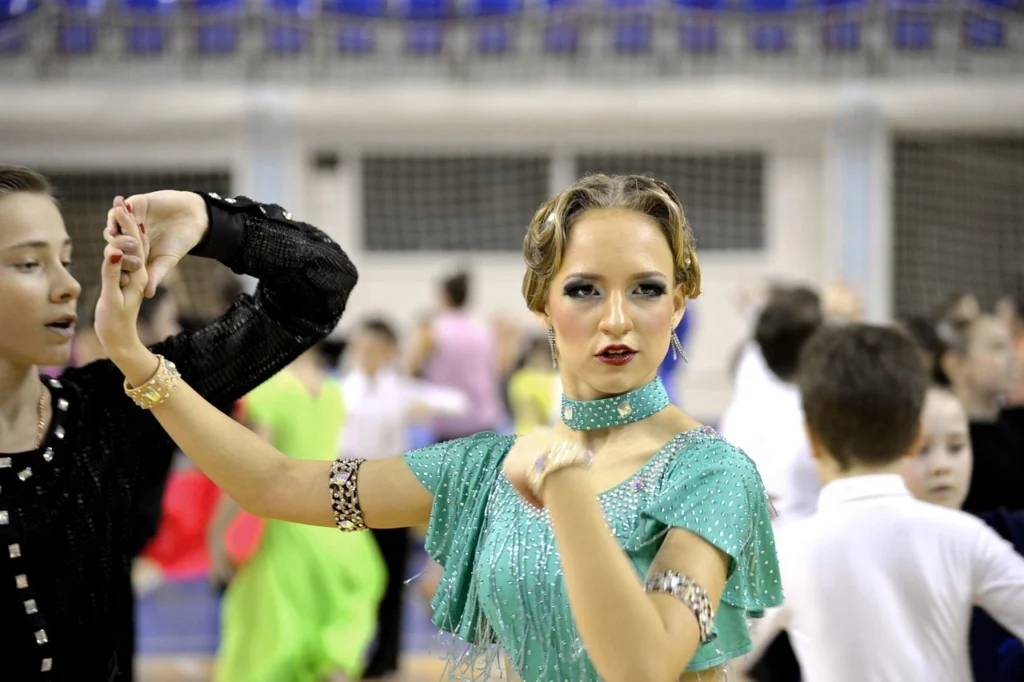
Dancing Trousers: When Fabric Meets Rhythm

Introduction & Background
Few things capture the imagination quite like the fusion of movement and material, a dance where fabric and rhythm come together in perfect harmony. Dancing trousers represent a unique intersection of fashion, performance, and innovation, transforming ordinary garments into extraordinary expressions of art. This trend, though niche, has roots in both historical traditions and modern technological advancements, making it a fascinating subject for artists, designers, and audiences alike. As wearable technology evolves and performance art pushes boundaries, dancing trousers stand at the forefront of a creative revolution, redefining how we perceive clothing and motion.
Concept & Overview
Dancing trousers are garments designed to enhance or emphasize movement, often incorporating elements like sensors, flexible fabrics, or dynamic patterns. The core idea is to create clothing that interacts with the wearer’s body and the surrounding environment, whether through visual effects, sound, or sensory feedback. These trousers can be purely aesthetic, serving as costumes for performers, or functional, integrating technology to respond to movement in real time. The concept bridges the gap between fashion and function, where the fabric itself becomes an active participant in the dance rather than a passive layer of attire.
Key Features & Highlights
- Sensor Integration: Many modern dancing trousers include embedded sensors that detect movement, pressure, or orientation. These sensors can trigger light displays, vibrations, or even sound effects, creating a multi-sensory experience.
- Flexible & Lightweight Materials: The fabrics used are often stretchable, breathable, and lightweight to allow unrestricted movement. Materials like spandex, neoprene, or smart textiles are common choices.
- Interactive Designs: Some trousers feature dynamic patterns that shift with motion, such as color-changing fabrics or LED strips. Others may include modular components that can be customized for different performances.
- Ergonomic Construction: Tailored fits and strategic seam placements ensure comfort and mobility, crucial for dancers who require precision and freedom in their movements.
- Sustainability Focus: A growing number of designers prioritize eco-friendly materials, such as recycled synthetics or biodegradable fabrics, to reduce the environmental impact of wearable tech fashion.
Frequently Asked Questions / Pros & Cons
What are the main benefits of dancing trousers for performers?
Dancing trousers enhance artistic expression by making movement a visual and sometimes auditory experience. They can captivate audiences, add layers to choreography, and even help performers tell stories more vividly. Additionally, for dancers with disabilities, these garments can provide sensory feedback or assistive cues to improve coordination.
Are dancing trousers only for professional dancers?
No, dancing trousers are versatile and can be enjoyed by amateurs, fitness enthusiasts, or anyone looking to add a creative twist to their routines. Some designs are even marketed as fashion-forward streetwear, appealing to a broader audience beyond the dance community.
What are the potential drawbacks of dancing trousers?
The primary challenges include cost, as high-quality sensors and smart fabrics can be expensive. There is also the issue of maintenance, as electronic components may require careful handling or charging. Some wearers might find the added weight or bulk of technology restrictive, though this varies by design.
How durable are dancing trousers?
Durability depends on the materials and construction. High-end options are built to withstand rigorous movement and frequent use, while simpler designs may prioritize style over longevity. Water-resistant or sweat-proof features are often included to extend the lifespan of the garment.
Practical Guidance & Solutions
If you’re considering incorporating dancing trousers into your performances or wardrobe, start by identifying your needs. Are you looking for visual impact, sensory feedback, or a combination of both? Research brands that specialize in wearable tech or performance wear, and read reviews to gauge durability and functionality.
For beginners, opt for simpler designs without complex electronics to ease into the experience. If you’re a performer, test the trousers during rehearsals to ensure they complement your choreography without hindering movement. Maintenance is key, so follow care instructions carefully, especially for garments with electronic components.
For those interested in DIY approaches, explore open-source wearable tech platforms that allow you to customize trousers with affordable sensors and fabrics. This hands-on method can be both educational and rewarding, offering a deeper understanding of how fabric and technology interact.
Conclusion
Dancing trousers are more than just a fashion statement, they are a celebration of the boundless creativity that arises when fabric meets rhythm. Whether through dazzling light displays, responsive textures, or seamless integration with dance, these garments challenge our perceptions of clothing and movement. As technology advances and artistic boundaries continue to expand, dancing trousers will likely evolve into even more innovative forms, blurring the line between performer and spectacle. For now, they invite us to look closer, move freely, and embrace the joy of discovery that comes when art and science dance together.