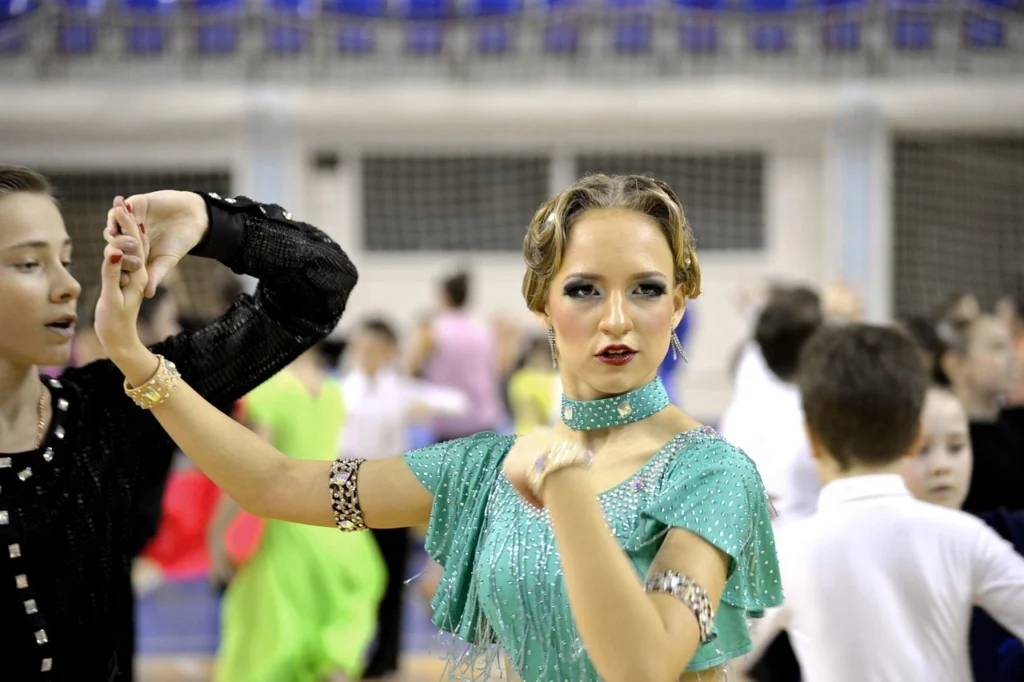
The Art of Adorning Movement: Dance Blouses Unveiled
Introduction & Background
Dance blouses are more than just garments. They are a celebration of movement, culture, and artistry. Worn by dancers across continents, these blouses blend functionality with elegance, allowing performers to express themselves freely while maintaining grace and precision. Historically, dance blouses have evolved alongside dance forms, adapting to the needs of various traditions, from classical ballet to vibrant folk dances. Their significance lies not only in their aesthetic appeal but also in their role as a bridge between tradition and modernity. As dance continues to evolve, so does the design and purpose of dance blouses, making them a fascinating subject worth exploring.
Concept & Overview
A dance blouse is a specialized garment designed to complement the fluidity and dynamism of dance. Unlike conventional tops, it prioritizes comfort, flexibility, and breathability, ensuring that dancers can move without restriction. These blouses often feature unique cuts, lightweight fabrics, and thoughtful embellishments that enhance both performance and visual appeal. The core principle behind dance blouses is to marry form and function. They are crafted to support the body’s natural movements while also reflecting the cultural or artistic essence of the dance form they are associated with. Whether embellished with intricate embroidery, sheer panels, or supportive undergarments, each element serves a purpose.
Key Features & Highlights
- Breathable Fabrics: Dance blouses are typically made from materials like spandex, cotton blends, or moisture-wicking synthetics. These fabrics allow the skin to breathe, preventing overheating during intense performances.
- Flexible Cuts: They often feature racerback, halter, or asymmetrical designs to accommodate a wide range of motion. This ensures that dancers can stretch, leap, and twist without discomfort.
- Supportive Structure: Many dance blouses incorporate built-in bras or adjustable straps for added support. This is especially important in styles where coverage is minimal, such as ballet or contemporary dance blouses.
- Decorative Elements: Embroidery, sequins, lace, or beadwork are common adornments. These details not only enhance the visual impact but also hold cultural or thematic significance in certain dance traditions.
- Lightweight Construction: The materials used are chosen for their lightness, ensuring that the blouse does not weigh down the dancer. This is crucial for maintaining agility and speed during performances.
- Moisture Management: Advanced dance blouses often include features like sweat-wicking technology or mesh panels to keep dancers dry and comfortable, even during rigorous routines.
Frequently Asked Questions / Pros & Cons
What are the primary purposes of a dance blouse?
A dance blouse serves multiple purposes. Its primary function is to provide comfort and freedom of movement, allowing dancers to perform at their best. Additionally, it enhances the aesthetic of the dance costume, contributing to the overall visual narrative of the performance. Some blouses also offer support, which is essential for maintaining posture and preventing injury during demanding routines.
How do dance blouses differ from regular tops?
Dance blouses are specifically designed for movement, unlike regular tops that prioritize style or casual wear. They are made from stretchable, breathable fabrics and often feature unique cuts, such as racerbacks or asymmetrical designs, to accommodate the body’s range of motion. Regular tops may lack the necessary support or flexibility required for dance.
What fabrics are best for dance blouses?
The best fabrics for dance blouses are those that offer stretch, breathability, and moisture-wicking properties. Common choices include spandex, nylon, polyester blends, and lightweight cotton. For performances in warmer climates, moisture-wicking synthetics are ideal, while for cooler settings, thermal or fleece blends may be used.
Can dance blouses be customized for different dance styles?
Yes, dance blouses can and should be customized to suit different dance styles. For instance, a ballet blouse may feature a high neckline and long sleeves for elegance, while a hip-hop blouse might have a loose fit and bold prints for a streetwear-inspired look. Customization ensures that the blouse not only complements the dance form but also enhances the dancer’s performance.
What are the pros and cons of wearing a dance blouse?
Pros:
- Enhances freedom of movement, allowing for dynamic and precise dance techniques.
- Provides comfort and support, reducing the risk of strain or injury.
- Adds a layer of elegance and professionalism to dance costumes.
- Can be tailored to reflect cultural or thematic elements of the dance.
Cons:
- Some dance blouses may require frequent washing due to sweat and movement.
- High-quality dance blouses can be expensive, especially those made with premium fabrics or intricate embroidery.
- Finding the perfect fit can be challenging, as every dancer’s body is unique.
Practical Guidance & Solutions
Selecting the right dance blouse begins with understanding your dance style and personal needs. For classical ballet dancers, a snug-fitting blouse with long sleeves and a high neckline may be ideal, while contemporary dancers might prefer a racerback or halter design for greater flexibility. Always prioritize comfort and support, especially if you are performing in extended routines.
When shopping for a dance blouse, look for tags that indicate stretchability and breathability. Try on different styles to see how they feel during movement. Pay attention to the placement of seams, as poorly placed stitching can cause discomfort or restrict motion. If you are performing in a professional setting, consider investing in a blouse made from high-quality, moisture-wicking fabric to keep you comfortable throughout your routine.
For customization, work with a seamstress or a dancewear specialist who can tailor the blouse to your exact measurements. Adding personal touches, such as embroidered initials or custom designs, can make the blouse feel uniquely yours. Additionally, always check the care instructions to ensure your blouse remains in top condition for as long as possible.
Conclusion
The art of adorning movement through dance blouses is a testament to the marriage of functionality and beauty. These garments are not merely accessories but essential components of a dancer’s toolkit, enabling grace, strength, and expression. As dance continues to evolve, so too will the designs and technologies behind dance blouses, ensuring that performers are always equipped to move with confidence and style. Whether you are a seasoned professional or an enthusiastic beginner, investing in the right dance blouse can elevate your performance and deepen your connection to the art of dance. So embrace the craftsmanship, celebrate the culture, and let your movements speak volumes in a blouse designed just for you.