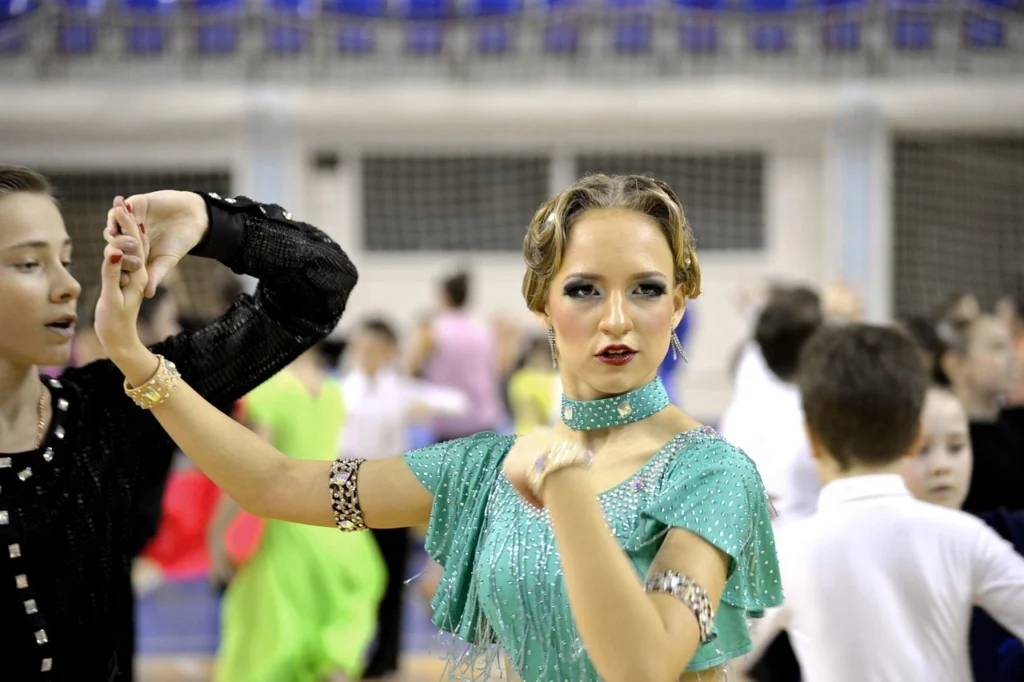
Glowing Feet: The Rise of Underground Dance Movements Taking Over the World
Introduction & Background
In the dimly lit corners of warehouses, rooftops, and abandoned buildings, a silent revolution is unfolding. It’s not a political uprising or a technological breakthrough, but something far more visceral and transformative. Underground dance movements have quietly taken over the world, reshaping nightlife, art, and community in ways that mainstream culture is only beginning to notice. These movements thrive beyond the spotlight of commercial clubs and festivals, where creativity, freedom, and raw energy collide. From the neon-lit streets of Tokyo’s Golden Gai to the gritty underground clubs of Berlin, dancers and organizers are crafting experiences that challenge norms, celebrate individuality, and foster deep human connection. This is the story of how these invisible tribes are lighting up the global dance scene, one glowing foot at a time.
Concept & Overview
Underground dance movements refer to grassroots, often unlicensed or semi-legal gatherings where music, dance, and community intersect outside mainstream venues. These events prioritize authenticity over commercial success, spontaneity over structure, and inclusivity over exclusivity. Unlike traditional nightclubs or festivals, underground dance spaces are defined by their impermanence, secrecy, and DIY ethos. They can take the form of warehouse raves, street parties, or pop-up clubs, united by a shared passion for music genres like techno, house, drum and bass, footwork, or even experimental sounds. The rise of these movements reflects a growing disillusionment with mainstream nightlife, where high entry fees, VIP culture, and algorithm-driven playlists often overshadow the joy of pure movement and self-expression.
The heartbeat of these underground scenes is the dance itself. Dancers describe the experience as transcendent, a state where the music and the body merge into one. This is why the term “glowing feet” has become symbolic, it represents not just the physical act of dancing until dawn, but the inner light that these communities ignite in their participants. The movements are as much about the people as they are about the music, with organizers and attendees forming tight-knit collectives that operate on trust, word-of-mouth, and shared values.
Key Features & Highlights
- DIY Venue Culture. Underground dance events are often held in repurposed industrial spaces, abandoned warehouses, or even outdoor locations like forests or beaches. The lack of commercial polish is part of their charm, with organizers using makeshift lighting, sound systems, and decor to create immersive environments.
- Genre-Blending Music. While specific genres dominate certain scenes, underground movements are known for their eclectic lineups. DJs might mix techno with breakbeat, or house with ambient soundscapes, creating sets that defy categorization and keep dancers on their toes.
- Inclusivity & Safe Spaces. Many underground collectives explicitly prioritize marginalized communities, offering events that are queer-friendly, neurodivergent-accessible, or free from discrimination. This commitment to safety and acceptance draws people who feel excluded from mainstream nightlife.
- Community-Driven Organizing. Unlike corporate nightclubs, underground events are typically organized by small groups of friends or collectives who rely on donations, crowdfunding, or mutual aid to fund sound systems and venue rentals. The sense of ownership and collaboration fosters loyalty and creativity.
- Temporary & Ephemeral Nature. The best underground parties are unpredictable. They might be announced only hours before they begin, with details shared through encrypted messaging apps or secret flyers. This ephemerality adds to their allure, making each event feel like a fleeting treasure.
- Sensory Overload & Immersion. Underground scenes are designed to overwhelm the senses in the best way. From visual artists projecting trippy animations to dancers wearing LED shoes or glow sticks, the goal is to create an otherworldly experience that disconnects attendees from the outside world.
- Anti-Consumerist Ethos. Many underground movements reject the idea of profit-driven entertainment. Entry is often free or low-cost, with organizers prioritizing the experience over revenue. Some even operate on a “pay what you can” basis, ensuring accessibility for all.
Frequently Asked Questions / Pros & Cons
What makes underground dance movements different from mainstream nightclubs?
Underground dance movements prioritize authenticity, affordability, and community over commercial success. While mainstream clubs focus on profit margins, branding, and exclusivity, underground events thrive on spontaneity, DIY creativity, and a shared sense of rebellion against the status quo. The music is often more experimental, the crowd more diverse, and the overall vibe less polished but more intimate.
Are underground dance events legal?
Legality varies widely depending on location and venue. Some events operate in legal gray areas, using loopholes like “private parties” or “art installations” to bypass licensing laws. Others are fully permitted but still operate under the radar. In many cities, law enforcement turns a blind eye as long as events remain peaceful and don’t disturb the public. However, organizers in places with strict noise ordinances or conservative policies often face risks, including fines or venue shutdowns.
How do I find underground dance events in my area?
Start by connecting with local dance communities online. Social media groups, Telegram channels, and Discord servers dedicated to underground music are great places to find event announcements. Attending smaller, legal electronic music events or workshops can also help you network with people in the scene. Word-of-mouth remains the most reliable method, so immerse yourself in local culture and ask around.
What should I bring to an underground dance event?
Comfort is key. Wear shoes that can handle hours of dancing, even if they’re not your usual clubwear. Layers are important, as underground venues can be hot and crowded or chilly and open-air. Bring water to stay hydrated, and consider earplugs to protect your hearing without sacrificing the music’s impact. Some events provide free water or snacks, but it’s wise to bring essentials just in case. Don’t forget glow sticks, LED accessories, or anything that adds to the visual spectacle.
What are the risks of attending underground dance events?
While most underground events are safe, there are inherent risks. Venues may lack proper fire exits, first aid, or crowd control, so always assess the space for hazards. Drug use, while not universal, can occur in some scenes, so it’s important to make informed decisions about substance consumption. Police presence can also be unpredictable, particularly in cities with strict laws. To mitigate risks, go with a trusted group, research the event’s reputation, and trust your instincts if something feels off.
Practical Guidance & Solutions
If you’re new to the underground dance scene, the best way to dive in is to start small and build connections. Begin by attending legal electronic music events, workshops, or community jams where you can meet organizers and regular attendees. Volunteer at events to learn the ropes and gain trust within the community. Many underground collectives welcome newcomers, especially if you bring enthusiasm and respect for their culture.
When you’re ready to step into the underground, prioritize safety and awareness. Research the event’s location beforehand, and share your plans with someone outside the party. Bring only what you need to avoid losing valuable items in the chaos. If you’re unsure about the vibe of a particular scene, observe from the sidelines first to gauge whether it aligns with your values and comfort level.
For organizers, the key to sustaining an underground movement is building a loyal community. Focus on creating inclusive, well-organized events with clear communication about safety measures. Collaborate with local artists, sound engineers, and visual creators to elevate the experience without compromising the DIY spirit. Transparency about finances and decision-making helps maintain trust, while adaptability ensures the collective can thrive amid challenges.
Finally, support the underground scene beyond just attending events. Share your experiences online to help legitimize these movements and attract new participants. Advocate for policies that protect small, independent organizers and venues. And most importantly, carry the spirit of the underground with you, not just in your dancing, but in how you interact with your community every day.
Conclusion
Underground dance movements are more than just parties. They are living, breathing ecosystems where music, art, and human connection collide in their purest forms. In a world that often prioritizes profit and spectacle over authenticity, these glowing feet are a reminder that joy can be found in the unpolished, the unexpected, and the collective. They challenge us to rethink what nightlife can be, less about consumption and more about creation, less about exclusivity and more about belonging.
The rise of these movements is a testament to the human desire for freedom, creativity, and unfiltered expression. As they continue to spread across continents, they carry with them a promise: that the most profound experiences aren’t found in the spotlight, but in the shadows where the music feels like a heartbeat and the dance feels like flight. So if you ever find yourself in a dimly lit warehouse, surrounded by strangers who feel like family, remember this. You’re not just dancing. You’re part of something bigger, something that’s lighting up the world from the ground up.